Catch myopia early.
Slow it down.
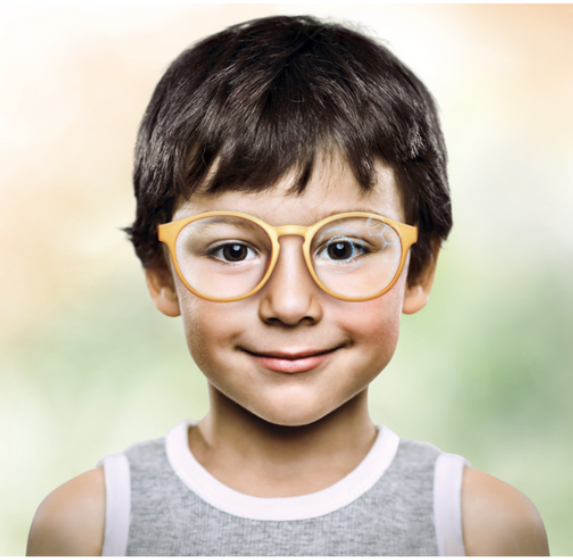
If your child's prescription keeps getting stronger each year, you have a window to do something about it. Our myopia control program uses evidence-based treatments shown to slow progression by up to 80%. The earlier you start, the more you can protect.
myopia progression
with Ortho-K treatment
Six things parents
notice first
Myopia develops gradually, usually between ages 6 and 14. These are the everyday signs that tell you it might be time for a closer look.
Squinting at a Distance
Narrowing their eyes or tilting their head to read the whiteboard, street signs, or the TV from across the room. Teachers often pick up on it before parents do.
Bringing Books Closer
Holding reading material, tablets, or homework closer to their face than you'd expect. It's one of the earliest signs of developing short-sightedness.
Headaches After Concentrating
Recurring headaches after school, homework, or screen time can be a sign that their eyes are working harder than they need to.
Less Interest in Outdoor Activities
Sometimes children pull back from sport or playground games, not because they've lost interest, but because they can't see clearly enough to keep up.

Sitting Close to Screens
Choosing to sit within arm's reach of the TV, or holding devices 20 to 30 cm from their face. It's instinctive when distance vision starts to soften.
Schoolwork Not Matching Effort
When a child is putting in the effort but results don't reflect it, vision is worth checking. Difficulty reading the board can quietly affect their ability to follow lessons.
A long-term plan, not just a stronger lens.
Standard glasses correct what your child sees today. But they don't slow the changes happening inside the eye. Each year, the prescription grows. Each year, the lenses get thicker. Myopia control takes a different approach.
It's a clinician-led treatment program designed to slow the biological eye growth that causes short-sightedness to progress. This matters because higher levels of myopia are associated with increased risk of eye health complications later in life. Starting treatment during the growth years gives your child the most benefit.
- Shown to slow progression by up to 80% with Ortho-K
- Multiple treatment pathways tailored to your child
- Safe, comfortable, and designed for children
- Ongoing monitoring and progress tracking
- Reduces lifetime risk of high myopia complications
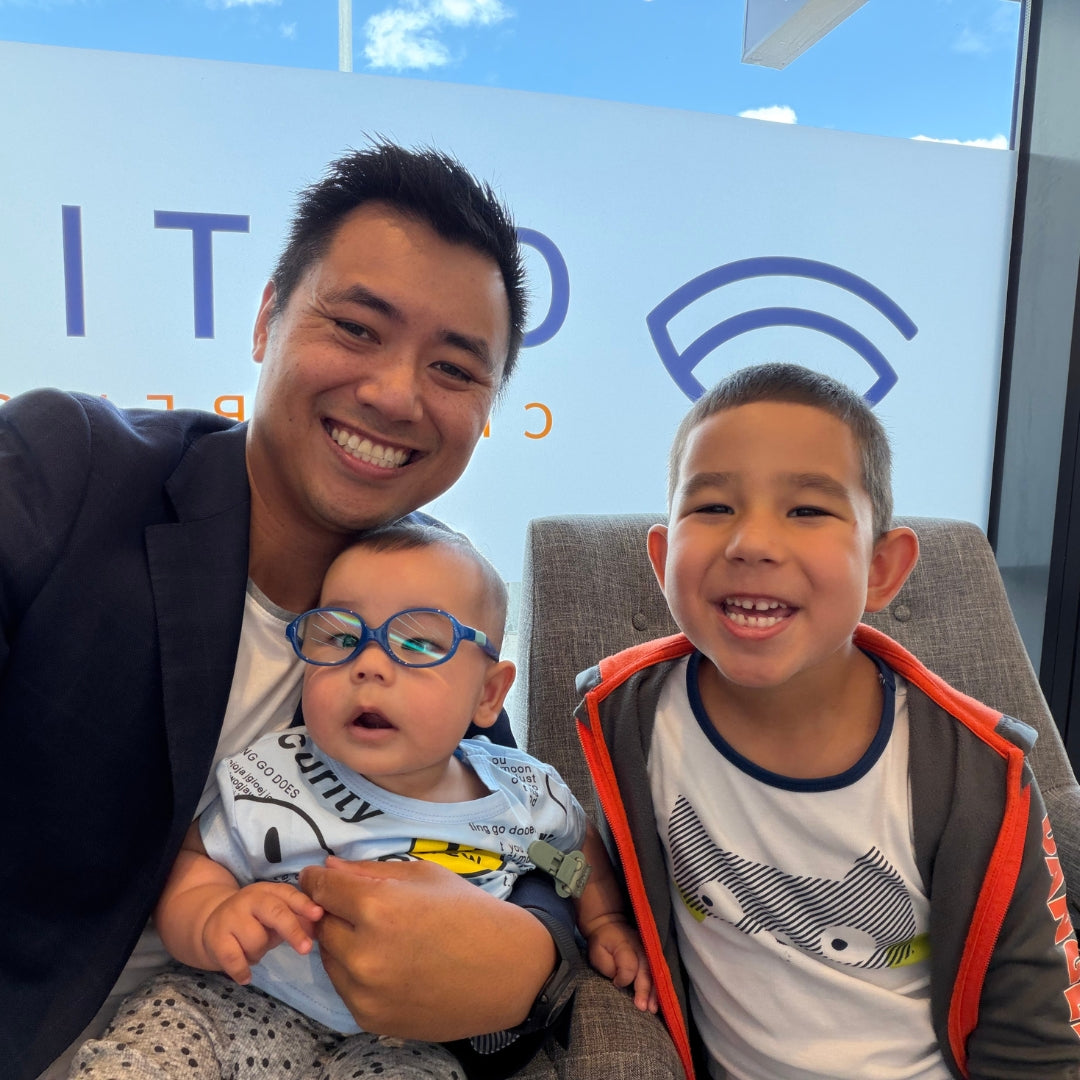
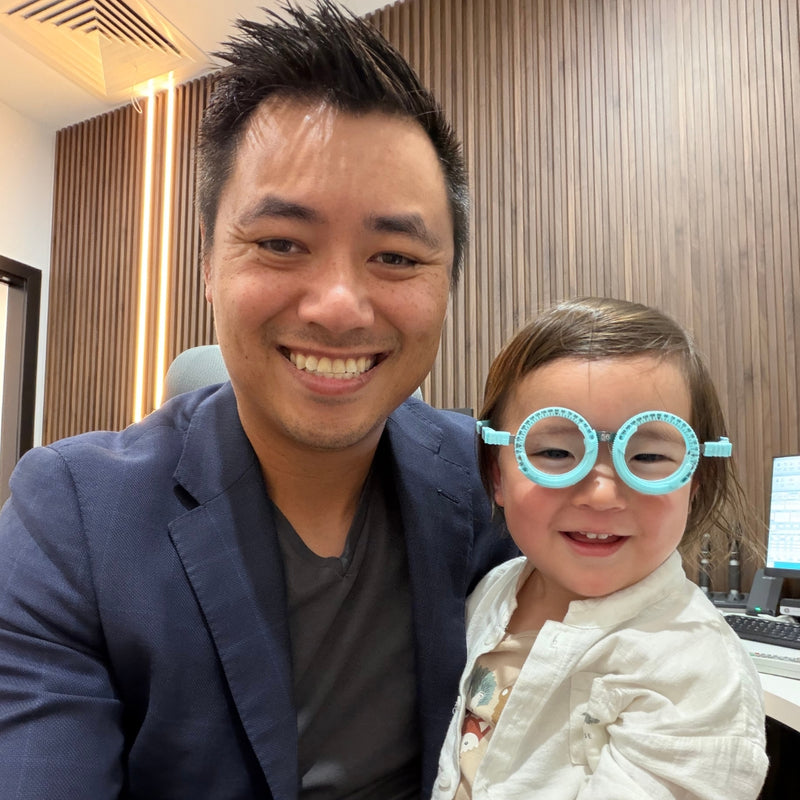
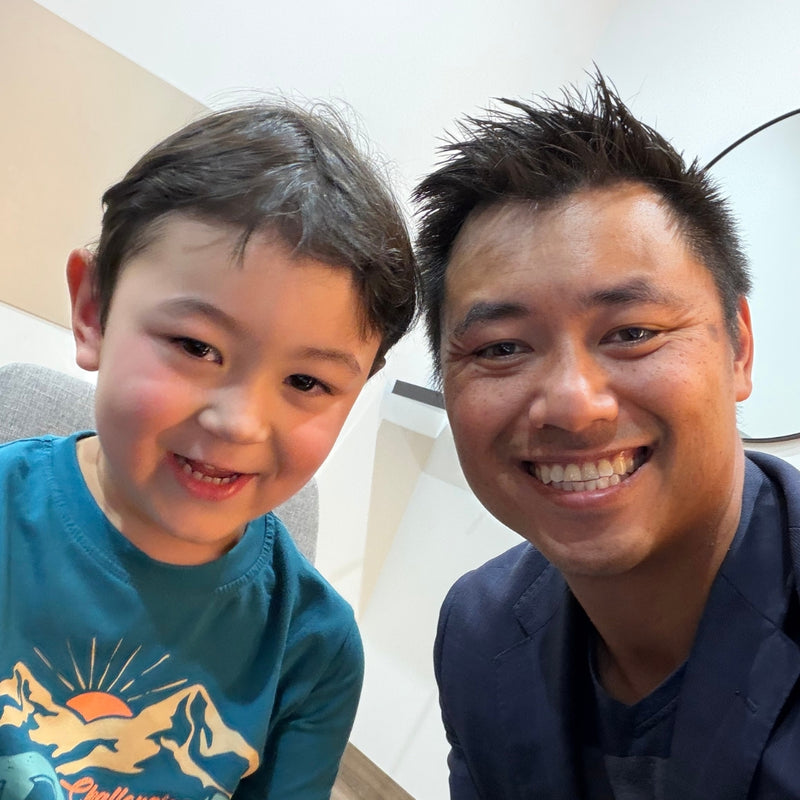
managed
What drives myopia,
and how we target it
Understanding the biology behind eye growth allows us to choose the right treatment at the right time.
Axial Elongation
Myopia occurs when the eyeball grows too long, causing light to focus in front of the retina instead of on it. Myopia control treatments target this axial growth directly.
Peripheral Defocus
Standard lenses create a signal at the edge of the retina that encourages further eye elongation. Myopia control lenses are engineered to reduce this signal.
Near-Work Stress
Extended reading and screen time without breaks creates sustained focusing pressure that can accelerate eye growth. We build evidence-based visual hygiene habits into every program.
The Daylight Factor
Natural sunlight triggers dopamine release in the retina, which helps slow axial elongation. Increasing time spent outdoors is considered a protective factor against myopia progression.
Four evidence-based options.
One plan built around your child.
No single treatment suits every child. We assess your child's eye health, lifestyle, and rate of progression to recommend the approach most likely to deliver the best result.
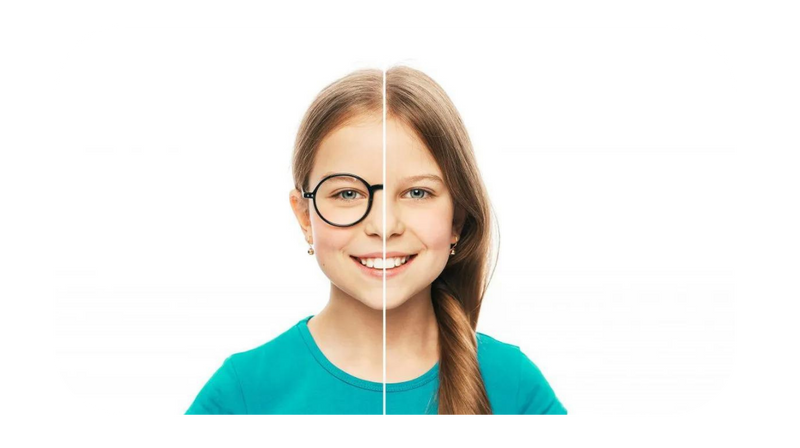
Ortho-K Night Lenses
Custom-fitted lenses worn overnight that gently reshape the cornea while your child sleeps. In most cases, children can see clearly throughout the day without glasses or contacts for school, sport, or swimming.
- Shown to slow myopia progression by up to 80%
- Designed to reduce or remove the need for daytime glasses
- Designed for children
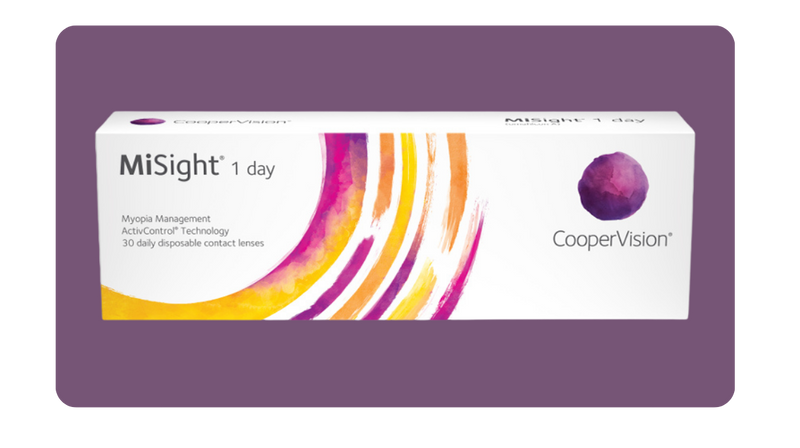
MiSight Soft Daily Lenses
Daily disposable contact lenses designed for children. Worn during the day, discarded at night. Simple, hygienic, and supported by clinical evidence for myopia control.
- Shown to slow myopia progression by up to 50%
- Easy daily routine with no cleaning required
- Designed for children
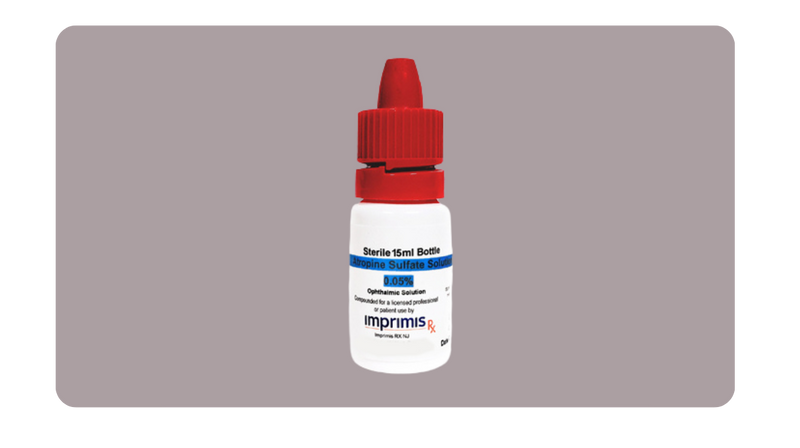
Atropine Eye Drops
Low-dose eye drops applied once before bed. Atropine works at a biological level to slow the signals that drive eye growth, with minimal impact on daytime vision at the concentrations we use.
- Shown to slow progression by up to 50%
- Minimal impact on daytime vision at 0.05% concentration
- Designed for children
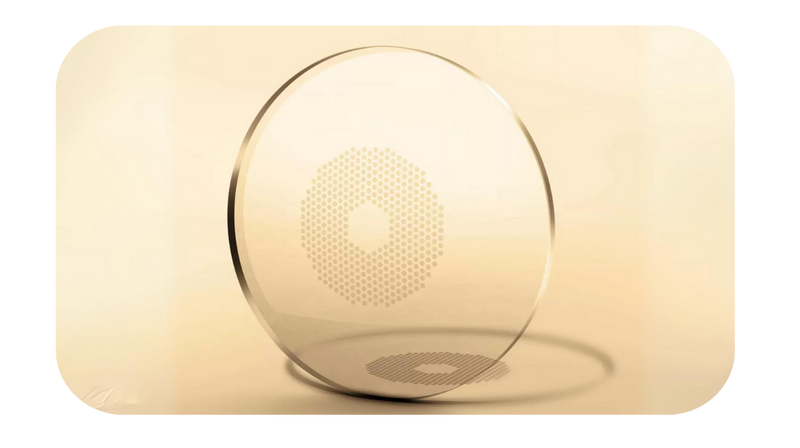
MyoShield (DIMS) Spectacle Lenses
Spectacle lenses that look and feel like regular glasses but use DIMS technology to slow myopia progression while correcting vision. No contacts, no drops, no nightly routine.
- Shown to slow myopia progression by up to 60%
- Familiar glasses format with no lens handling required
- Designed for children and adults
Efficacy figures are based on published peer-reviewed clinical studies. Individual results may vary. Treatment suitability is determined through clinical assessment. A comprehensive consultation is required before any treatment begins.
Here's what happens
when you book.
A clear, structured process designed around your child's comfort and your confidence as a parent.
Initial Consultation
We review your child's family history, visual habits, current vision, and any concerns you have. We'll let you know what the next steps look like.
First stepComprehensive Eye Exam
A detailed paediatric assessment that goes well beyond a standard eye test. We assess your child's vision, eye health, and visual function to build a complete picture.
Thorough assessmentYour Personalised Plan
Dr. Steven Lam designs a treatment plan specific to your child's age, prescription, lifestyle, and rate of progression. You leave the same visit with a clear plan and clear next steps.
Delivered same visitOngoing Monitoring
Regular check-ins to measure progression, review treatment effectiveness, and adjust the plan as your child grows.
OngoingWhat a basic eye test covers,
and what it misses.
A standard screening checks whether your child needs glasses. Our program goes further: identifying why their vision is changing, and putting a plan in place to slow it down.
| What's Assessed | Basic Eye Test | Optiplex Myopia Control |
|---|---|---|
| Distance vision (prescription) | ✓ | ✓ |
| Axial length measurement | ✗ | ✓ |
| Corneal topography / curvature | ✗ | ✓ |
| Binocular vision assessment | ✗ | ✓ |
| Myopia progression tracking | ✗ | ✓ |
| Evidence-based treatment plan | ✗ | ✓ |
| Personalised to your child | ✗ | ✓ |
| Ortho-K / MiSight / MyoShield / Atropine options | ✗ | ✓ |
| Visual hygiene and lifestyle guidance | ✗ | ✓ |
| Regular ongoing monitoring | ✗ | ✓ |
Where your child is the priority,
not the afterthought.

Hospital-Trained Clinicians
Dr. Lam completed internships at the Royal Children's Hospital, Royal Victorian Eye and Ear Hospital, and the New York Eye and Ear Infirmary. This clinical training informs his approach to paediatric eye care.
Evidence-Based Treatments Only
Every treatment we offer is backed by peer-reviewed clinical research. We recommend what the science supports.
Built Around Children
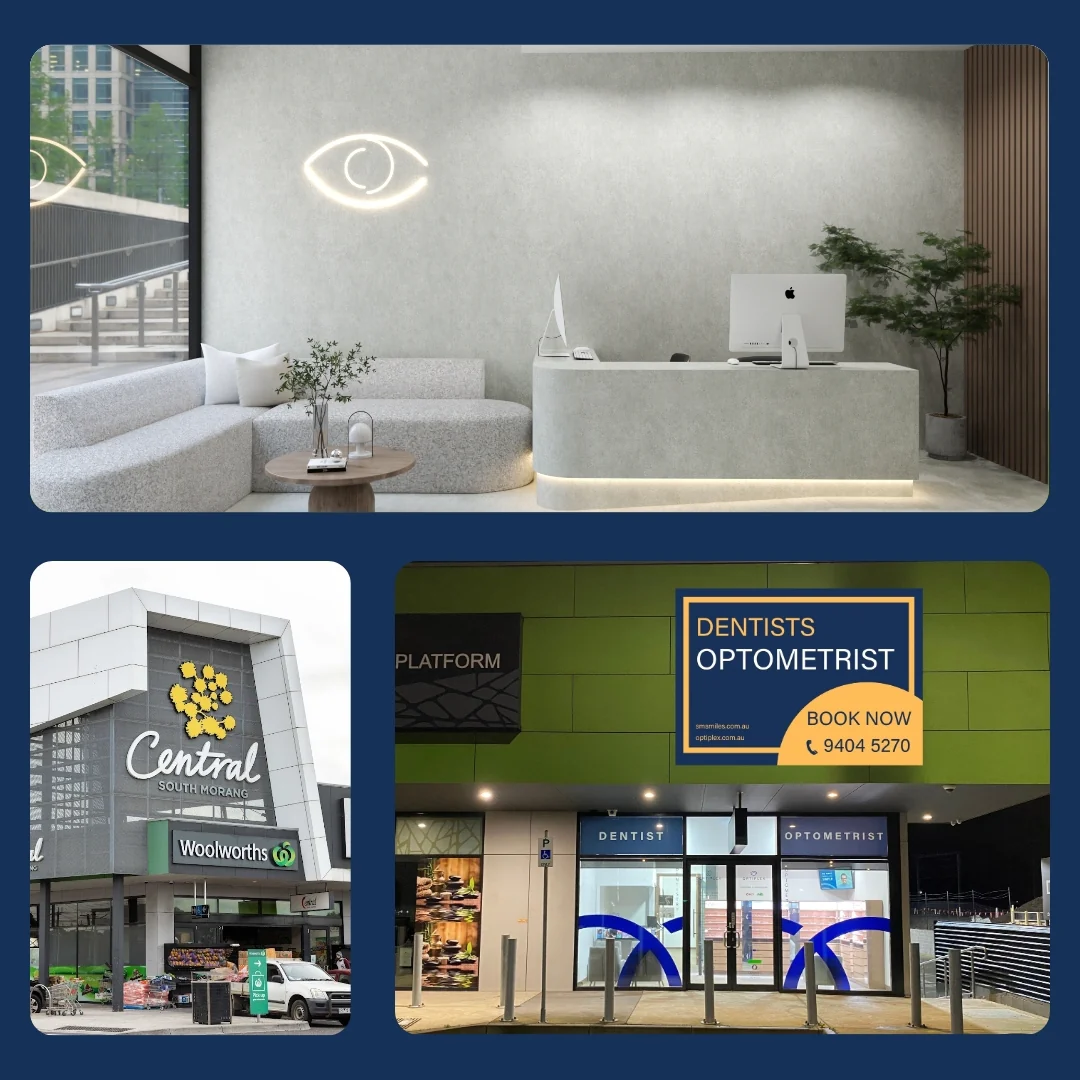
Our clinic, our tests, and our team are designed for children. Calm environment, patient staff, zero rushing. We work at your child's pace.
Progression Tracking
We use precision instruments to track your child's myopia progression over time, so you can see how well treatment is working.

Transparent Pricing
No hidden fees, no surprise costs. We walk you through the full investment before you commit, including what's covered by Medicare and private health funds.
Ongoing Support
Myopia management is a long-term partnership. We monitor your child regularly and adjust the plan as they grow.
Dr. Steven Lam (Optometrist)
Paediatric Optometrist with a Focus on Myopia Management
Dr. Steven Lam is a paediatric optometrist focused on myopia management for children and adolescents. His training includes internships at the Royal Children's Hospital Melbourne, the Royal Victorian Eye and Ear Hospital, and the New York Eye and Ear Infirmary, bringing hospital-trained expertise to a community clinic setting.
Dr. Lam takes a child-centred approach. He speaks to young patients directly, takes his time, and explains findings in plain language. His focus goes beyond correcting vision today. It's about supporting long-term eye health through the years that matter most.